WUXI RUIEN TECHNOLOGY CO.,LTD

Comprehensive Guide to Heavy-Duty CNC Lathes by WUXI RUIEN
Release time:
Jul 04,2025
The heavy-duty CNC lathe, often referred to as a "heavy cutting CNC lathe," represents a significant advancement in precision machining technology.
The heavy-duty CNC lathe, often referred to as a "heavy cutting CNC lathe," represents a significant advancement in precision machining technology. This type of machine tool is specifically designed to handle large and heavy workpieces while providing high precision and efficiency in the manufacturing process. With the integration of advanced numerical control (CNC) systems, heavy-duty CNC lathes are engineered to meet the demanding requirements of various industries, including aerospace, automotive, and heavy machinery.
One of the primary characteristics of a heavy-duty CNC lathe is its robust construction. These machines are built with high-strength materials and reinforced structures to withstand the stresses associated with heavy cutting operations. This construction not only enhances the stability of the machine but also minimizes vibrations, which is crucial for maintaining high precision. The rigidity of the machine ensures that it can handle significant cutting forces, allowing for effective machining of tough materials such as steel, titanium, and other alloys.
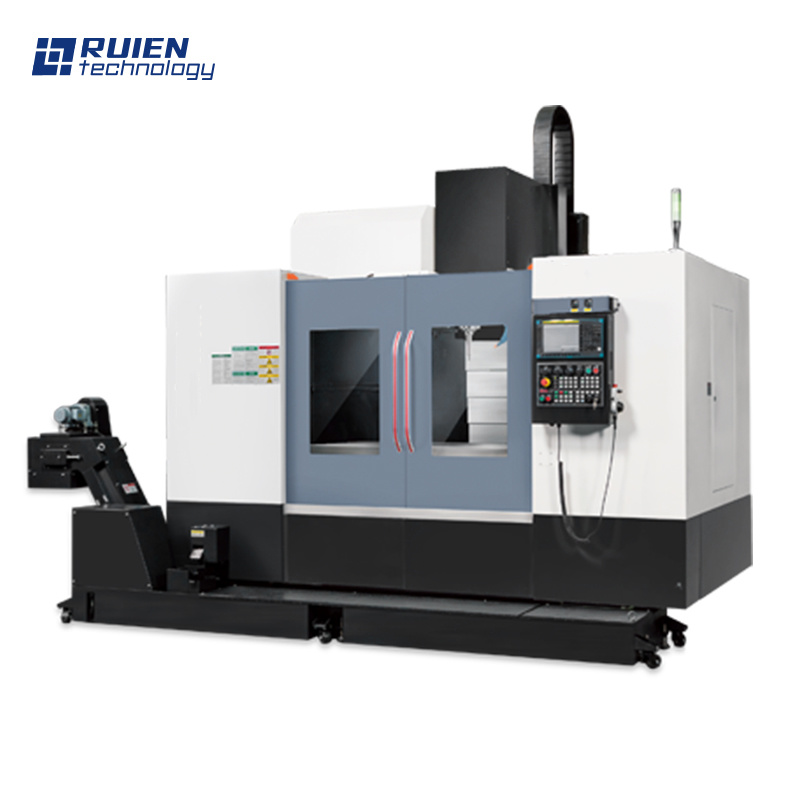
High precision is a defining feature of modern heavy-duty CNC lathes. These machines are equipped with advanced control systems that enable precise positioning and motion control. The use of high-resolution encoders and sophisticated feedback mechanisms allows for accurate measurement and correction during the machining process. As a result, manufacturers can achieve tight tolerances and excellent surface finishes, which are essential for components that require intricate details and reliability.
The heavy-duty CNC lathe incorporates various features that enhance its functionality and versatility. For instance, many models come with multiple axes of movement, enabling complex machining operations like turning, threading, and boring to be performed in a single setup. This multi-axis capability significantly reduces the need for secondary operations and setup times, thereby increasing overall productivity. Additionally, the integration of automatic tool changers (ATC) allows for rapid switching between different cutting tools, further streamlining the machining process.
Another advantage of heavy-duty CNC lathes is their ability to support advanced machining techniques such as live tooling and C-axis control. Live tooling allows for milling operations to be performed on the lathe, which enhances its versatility and reduces the need for additional machinery. C-axis control provides the capability for multi-tasking operations, allowing manufacturers to produce complex geometries and features in a single setup. This enhances the overall efficiency of the production process, leading to cost savings and reduced lead times.
In conclusion, heavy-duty CNC lathes are an essential asset in the modern manufacturing landscape. Their robust design, high precision, and advanced features make them ideal for machining large and heavy workpieces with exceptional accuracy. As industries continue to demand higher performance and efficiency, the adoption of heavy-duty CNC lathes is expected to rise. Manufacturers who invest in these advanced machine tools will benefit from enhanced productivity, reduced operational costs, and the ability to meet the stringent quality requirements of today’s markets. Therefore, the heavy-duty CNC lathe stands as a crucial component in the pursuit of excellence in precision machining.
Related News
Our company looks forward to becoming your loyal friend and partner, and is willing to work together with you to create a better future!

WUXI RUIEN TECHNOLOGY
Add: #17 Building, No. 288 Hubin Road, Helian Industrial Park, Wuxi ,Jiangsu Province China, 214100
CEO Linda Zhang
Cellphone/Wechat: 0086 13033515883
Email: linda.zhang@ruien-hitech.com


Online Message
If you have any product related questions, please feel free to contact us!
Engine Parts, Fuel Injection System, Auto Filter, Automotive Electronics System